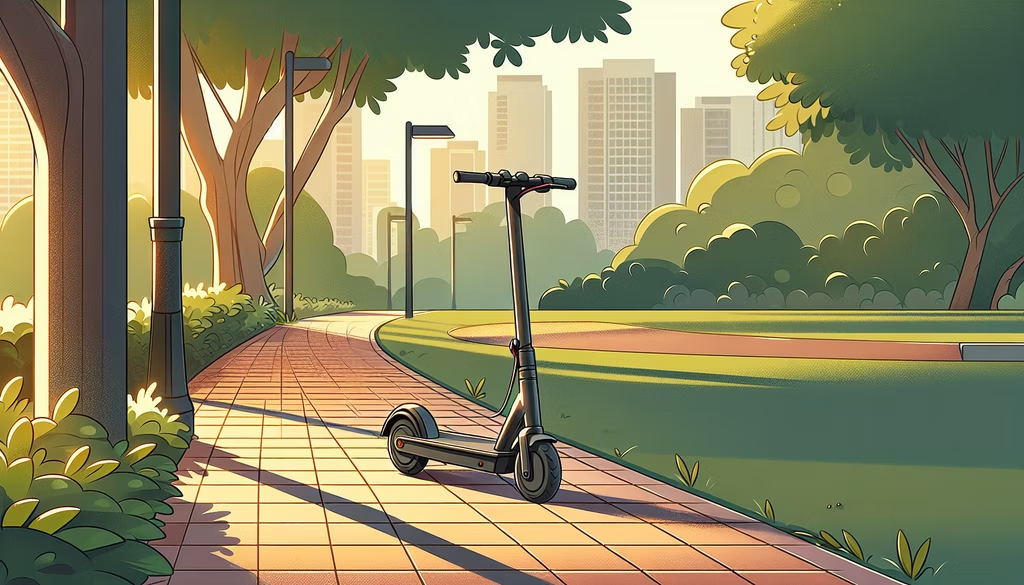
Kuala Lumpur, the vibrant capital of Malaysia, is no stranger to the constant buzz of commuters, tourists, and urban explorers navigating its fast-paced streets. As the city continues to grow into a modern metropolitan hub, its transportation landscape is evolving just as rapidly. In recent years, one trend has become impossible to ignore—the rapid rise of the electric scooter as a popular alternative mode of urban transportation.
From office workers commuting short distances to tourists zipping between landmarks, this electric scooter is increasingly visible across Kuala Lumpur’s sidewalks, parks, and city roads. This surge has sparked a growing debate among residents, policymakers, and mobility enthusiasts alike: Will the e-scooter eventually replace bicycles as the preferred form of personal urban transport?
In this blog post, we explore the e-scooter revolution in Kuala Lumpur, examine why electric scooters have gained such traction, and compare them with the city’s long-standing bicycle culture. By understanding the strengths and limitations of both, we can better predict whether this is a clash of mobility—or the beginning of a shared future.
The Rise of the E-Scooter in Kuala Lumpur
Why E-Scooters Are Gaining Popularity
The growing popularity of the e-scooter in Kuala Lumpur is no accident. With traffic congestion worsening and parking becoming increasingly scarce, urban dwellers are actively seeking faster, smarter, and more flexible transportation solutions. Electric-powered scooters provide exactly that.
Compact, lightweight, and powered by electric motors, this convenient urban transport is designed for efficiency. Riders can easily navigate narrow streets, bypass traffic jams, and reach destinations without the stress associated with cars or motorcycles. For short to medium distances, especially in dense commercial areas like Bukit Bintang, KL Sentral, and Bangsar, e-scooters have become a practical and time-saving choice.
Convenience and Ease of Use
One of the strongest advantages of e-scooters is convenience. Unlike bicycles, which require physical effort and storage space, these electric scooters are generally easier to operate and require minimal effort. With a simple throttle or push-start mechanism, users can begin riding almost instantly. Foldable designs further enhance portability, allowing riders to carry their scooter onto public transport or store it in apartments and offices.
This combination of speed, flexibility, and portability has made e-scooters particularly appealing to young professionals, students, and tourists in Kuala Lumpur who need quick and stress-free transportation.
Rental Services Fueling the Boom
The growth of shared mobility services has played a critical role in accelerating e-scooter adoption. Companies such as GrabWheels and other micromobility providers have introduced rental electric scooters that users can unlock via mobile apps.
These services eliminate ownership costs and maintenance concerns, making e-scooters accessible to a broader audience. For a relatively low fee, users can enjoy a quick, eco-friendly ride without committing to a long-term purchase. Since 2021, GrabWheels has reported thousands of daily rides across Kuala Lumpur, showing a clear trend of micromobility adoption in the city.
The Bicycle Legacy in Kuala Lumpur
A Longstanding Cultural Presence
Long before the rise of the e-scooter, bicycles were already deeply embedded in Kuala Lumpur’s transportation culture. Cycling has long been used for commuting, leisure, fitness, and recreation. From early morning riders at Taman Botani Perdana to weekend cycling groups around Putrajaya, bicycles remain a familiar and cherished sight.
For many Malaysians, bicycles represent more than just transportation—they symbolize health, freedom, and sustainability.
Health and Lifestyle Benefits
Unlike an e-scooter, cycling requires physical effort, which is one of its greatest advantages. Regular cycling improves cardiovascular health, strengthens muscles, and supports mental well-being. As health awareness grows in Kuala Lumpur, bicycles remain an appealing option for individuals seeking an active lifestyle.
Meanwhile, electric scooters cater to convenience and speed rather than fitness. While they make commuting effortless, they cannot replace the full-body exercise that bicycles provide. This distinction keeps bicycles relevant, particularly among fitness-oriented residents.
Infrastructure Supporting Cycling
Kuala Lumpur has made steady improvements in cycling infrastructure over the years. Dedicated bike lanes, cycling paths in parks, and bike-friendly urban developments have helped encourage bicycle use. Annual events like Critical Mass KL, cycling festivals, and community rides have strengthened the city’s cycling community.
In comparison, micromobility devices are still developing infrastructure. While some paths and lanes are shared, city authorities are exploring new ways to safely integrate e-scooters alongside bicycles and pedestrians.
E-Scooter vs Bicycle: A Comparative Analysis
Performance and Practicality
Performance comparison depends heavily on usage context. For short urban trips, e-scooters offer speed and convenience with minimal effort. Riders can arrive at their destination without breaking a sweat, making them ideal for office workers or tourists exploring the city.
Bicycles, however, excel in longer rides and varied terrains. They are not limited by battery life, allowing users to cover longer distances without worrying about running out of power. Additionally, bicycles can handle rougher paths and natural trails, whereas this convenient urban transport is generally limited to paved urban roads.
Environmental Impact
Both bicycles and e-scooters are considered environmentally friendly compared to cars and motorcycles. However, bicycles have a smaller overall environmental footprint, as they require no electricity and minimal manufacturing resources.
Electric-powered scooters, when powered by clean energy, help reduce greenhouse gas emissions and traffic congestion. Cities that integrate micromobility solutions into public transport networks have reported measurable reductions in short-distance car trips, highlighting the eco-friendly potential of e-scooters.
Cost and Maintenance
From a cost perspective, bicycles generally have lower long-term expenses. Maintenance is straightforward, and there are no charging costs involved. E-scooters, while affordable, require battery replacements and electrical maintenance over time.
Rental electric scooters bypass these concerns, offering flexibility and cost-effectiveness for occasional users. The option to rent an e-scooter is particularly appealing in urban Kuala Lumpur, where not everyone wants to invest in a personal vehicle.
Safety and Regulation
Safety is a shared concern for both bicycles and e-scooters. Issues such as pedestrian interactions, road accidents, and helmet use are relevant to both modes of transport. Cities like Kuala Lumpur are developing clear regulations for micromobility devices, including speed limits, designated lanes, and restricted zones, to ensure safe coexistence with bicycles and pedestrians.
Coexistence Rather Than Competition
Building Inclusive Urban Infrastructure
Rather than viewing the rise of the e-scooter as a threat to bicycles, urban planners see this shift as an opportunity to innovate. Cities worldwide are adopting multi-modal transportation strategies, and Kuala Lumpur is increasingly embracing this approach.
By developing shared paths, improving road safety, and integrating micromobility into public transport systems, the city can support both bicycles and electric scooters without forcing one to replace the other.
Some proposals include mixed-use lanes, charging stations for e-scooters, and clearly marked bicycle lanes, ensuring both modes can operate efficiently and safely.
A Smarter Mobility Ecosystem
The future of transportation in Kuala Lumpur is not about choosing between an escooter or a bicycle—it is about creating a balanced ecosystem where residents can select the most suitable option for each journey.
Short commutes and quick errands may favor electric scooters, while longer trips, exercise, or group rides continue to rely on bicycles. Together, these options reduce reliance on cars, lower emissions, and promote a healthier, more efficient city.
Conclusion: A Balanced Future for Urban Transportation
As Kuala Lumpur continues to evolve, the rise of the e-scooter signals a broader shift toward smarter and more sustainable urban mobility. Electric scooters have transformed how people move through the city, offering speed, convenience, and accessibility in ways that traditional transportation often cannot.
However, despite their rapid growth, e-scooters have not dethroned bicycles. Bicycles remain unmatched in terms of health benefits, emotional connection, and long-distance versatility. Instead of replacing one another, micromobility devices and bicycles are shaping a future where multiple transportation options coexist.
By investing in inclusive infrastructure, thoughtful regulation, and sustainable urban planning, Kuala Lumpur has the potential to become a leading example of harmonious urban mobility in Southeast Asia—where e-scooters and bicycles thrive side by side, creating a cleaner, healthier, and more connected city for generations to come.