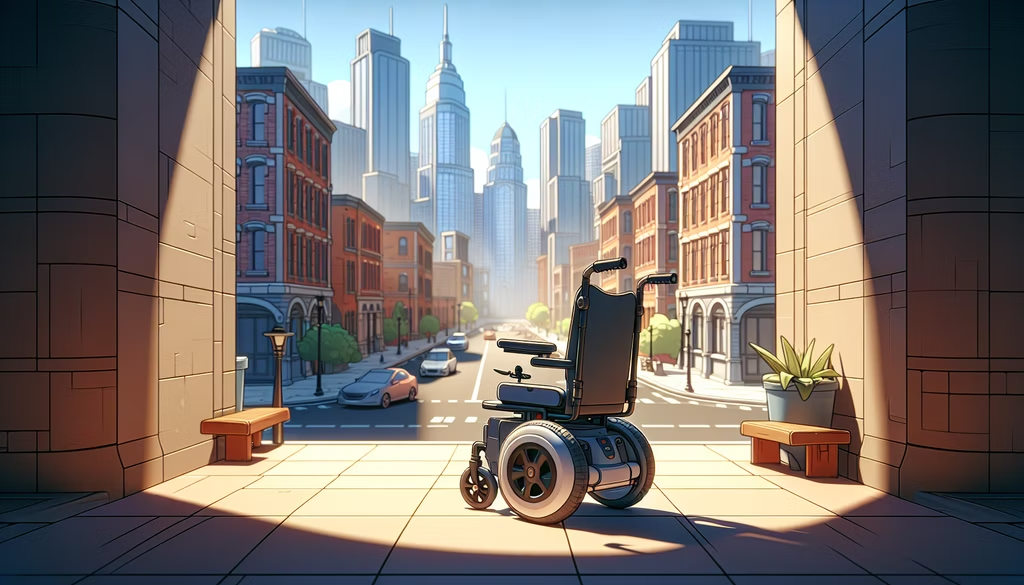
view our e-wheelchair lineup have transformed the way individuals with mobility challenges navigate their daily lives, offering greater independence, dignity, and freedom of movement. Unlike traditional manual wheelchairs, electric-powered wheelchairs utilize advanced motor systems, intelligent controls, and ergonomic designs to reduce physical strain and enhance usability. As technology continues to evolve, e-wheelchairs are becoming smarter, safer, and more adaptable to diverse user needs.
In Malaysia, the adoption of e-wheelchairs has grown steadily over the past decade. This rise is driven not only by technological innovation but also by a growing awareness of inclusivity and equal access. However, the widespread integration of e-wheelchairs into society would not have been possible without the critical role played by government policies and initiatives. From infrastructure upgrades and financial assistance to safety regulations and public education, the Malaysian government has taken meaningful steps to support individuals with mobility challenges.
This article explores how government policies in Malaysia have contributed to the growing adoption of e-wheelchairs. It examines key initiatives, highlights their societal impact, and discusses how continued policy development can further empower persons with disabilities (PWDs) and senior citizens in the years ahead.
Understanding the Need for EWheelchairs in Malaysia
Malaysia’s population is gradually aging, and with age comes an increased likelihood of mobility-related challenges. Additionally, individuals with congenital disabilities, injuries, or chronic health conditions require reliable mobility solutions to participate fully in society. According to national statistics, a significant portion of Malaysians live with some form of physical disability, making accessible mobility solutions a critical social priority.
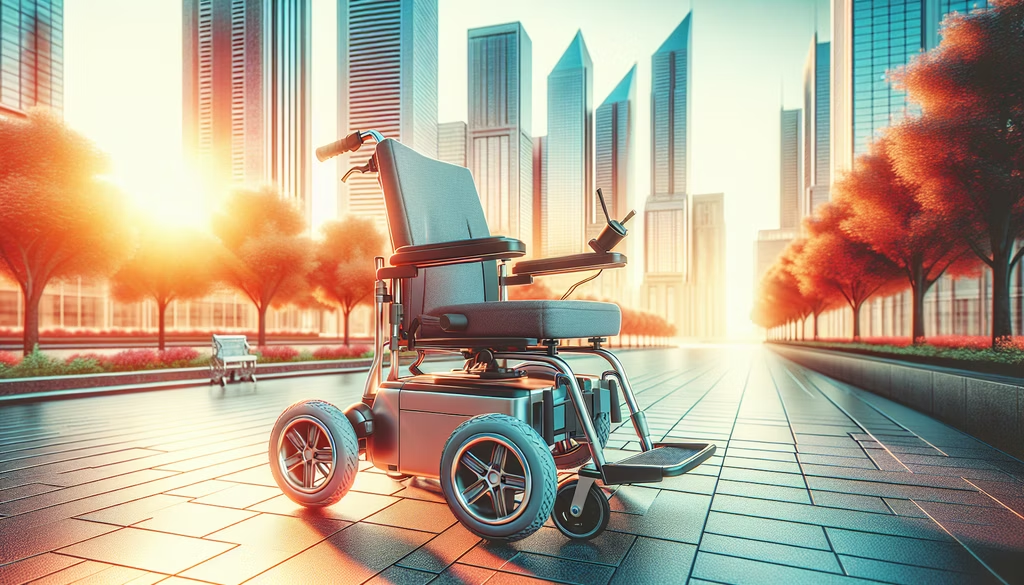
E-wheelchairs address several challenges faced by users of manual wheelchairs. They reduce physical fatigue, enable longer travel distances, and allow users to navigate inclines and uneven terrain more easily. Modern models also incorporate features such as adjustable seating, joystick controls, obstacle detection, and smart connectivity, enhancing safety and comfort.
Recognizing these benefits, the Malaysian government has increasingly viewed e-wheelchairs not merely as medical devices, but as essential tools for social inclusion and economic participation.

Accessible Infrastructure Development
Building an Inclusive Physical Environment
One of the most significant barriers to e-wheelchair adoption is the lack of accessible infrastructure. Without proper pathways, ramps, and facilities, even the most advanced mobility devices become difficult to use. Understanding this, the Malaysian government has prioritized accessibility in urban planning and public development projects.
Public buildings, shopping complexes, government offices, and healthcare facilities are now increasingly designed with universal access principles in mind. Features such as wheelchair ramps, tactile paving, automatic doors, and wider corridors have become more common, particularly in major cities like Kuala Lumpur, Penang, and Johor Bahru.
Public Transportation Accessibility
Public transportation plays a vital role in ensuring mobility for all citizens. The government has invested heavily in making transportation networks more accessible to e-wheelchair users. Light Rail Transit (LRT), Mass Rapid Transit (MRT), and commuter train stations are now equipped with elevators, ramps, and designated wheelchair spaces.
Buses operated by Rapid KL and other public transport providers have been upgraded with low-floor designs and boarding ramps, allowing e-wheelchair users to travel independently. These improvements not only support individuals with disabilities but also benefit elderly passengers, parents with strollers, and individuals recovering from injuries.
Long-Term Societal Impact
Accessible infrastructure encourages greater participation in education, employment, and social activities. When e-wheelchair users can move freely within public spaces, they are more likely to pursue higher education, seek employment, and engage in community life. Over time, this contributes to a more inclusive society and a stronger economy.
Financial Support and Subsidies
Addressing Cost Barriers
Despite their benefits, e-wheelchairs can be costly. High-quality models with advanced features may be financially out of reach for many individuals, especially those from low- and middle-income households. Recognizing this challenge, the Malaysian government has introduced various financial support mechanisms to make e-wheelchairs more affordable.
Subsidy programs and financial aid schemes, often administered through the Social Welfare Department (Jabatan Kebajikan Masyarakat, JKM), provide assistance to eligible individuals with disabilities. These programs help offset the cost of purchasing e-wheelchairs, ensuring that financial constraints do not prevent access to essential mobility devices.
Grants, Loans, and Assistance Programs
In addition to direct subsidies, the government collaborates with non-governmental organizations (NGOs), charitable foundations, and private sector partners to provide grants and low-interest loans. These initiatives are particularly beneficial for individuals who require customized e-wheelchairs tailored to specific medical or physical needs.
Some programs also extend support to caregivers and families, acknowledging that mobility challenges affect entire households. By easing the financial burden, these policies promote greater independence and improve overall quality of life.
Encouraging Local Manufacturing
To further reduce costs, the government has implemented tax incentives and investment support for manufacturers who establish e-wheelchair production facilities in Malaysia. Local manufacturing reduces reliance on imports, lowers prices, and creates job opportunities within the country.
This strategy not only benefits consumers but also strengthens Malaysia’s assistive technology industry, positioning the country as a regional hub for mobility solutions.
Standardization and Safety Regulations
Ensuring Product Quality and User Safety
As the e-wheelchair market grows, ensuring product safety and reliability becomes increasingly important. The Malaysian government, in collaboration with regulatory bodies and standards organizations, has established clear guidelines for e-wheelchair manufacturing and distribution.
These regulations define technical specifications, safety requirements, and performance standards that e-wheelchairs must meet before entering the market. Certification processes ensure that products are tested for durability, electrical safety, and user stability.
Building Consumer Confidence
Standardization plays a crucial role in building consumer trust. When users know that e-wheelchairs meet national safety standards, they are more confident in making purchasing decisions. This confidence encourages wider adoption and reduces the risk of accidents or malfunctions.
For manufacturers, clear regulations create a level playing field and encourage innovation within established safety boundaries. Companies are motivated to develop high-quality products that comply with Malaysian standards, benefiting both users and the industry as a whole.
Education and Awareness Programs
Changing Perceptions and Breaking Stigmas
Despite technological advancements, social stigma and misconceptions about mobility aids still exist. To address this, the Malaysian government has implemented education and awareness programs aimed at promoting understanding and acceptance of e-wheelchairs.
Through public campaigns, seminars, and community outreach programs, these initiatives highlight the capabilities and benefits of e-wheelchairs. They emphasize that mobility aids are tools for empowerment, not symbols of limitation.
Training and Skill Development
Education programs also focus on practical training for users, caregivers, and healthcare professionals. Workshops and instructional sessions teach safe operation, maintenance, and troubleshooting of e-wheelchairs, ensuring users can maximize their functionality.
Healthcare providers play a key role in recommending suitable e-wheelchair models based on individual needs. Government-supported training helps professionals stay informed about the latest advancements, leading to better outcomes for patients.
Building an Inclusive Culture
Increased awareness fosters empathy and inclusivity within communities. When the public understands the challenges faced by individuals with mobility impairments, they are more likely to support inclusive policies and practices. This cultural shift is essential for long-term social change.
Employment and Economic Empowerment
Government policies supporting e-wheelchair adoption also have a direct impact on employment opportunities for individuals with disabilities. Accessible workplaces, combined with reliable mobility solutions, enable more people to enter and remain in the workforce.
Employment incentives, such as tax benefits for companies that hire PWDs, complement mobility-focused initiatives. When individuals can travel independently and safely to work, they gain financial independence and contribute to the economy.
E-wheelchairs thus play a crucial role in reducing dependency and promoting self-sufficiency, aligning with national goals of inclusive economic growth.
Challenges and Areas for Improvement
While significant progress has been made, challenges remain. Accessibility in rural areas is still limited, and awareness of available financial assistance programs is not universal. Some individuals face long application processes or lack information about eligibility requirements.
Additionally, ongoing maintenance and repair costs can pose challenges for users. Addressing these issues requires continued policy refinement, stronger public-private partnerships, and greater outreach efforts.
The Future of E-Wheelchair Adoption in Malaysia
Looking ahead, emerging technologies such as artificial intelligence, smart sensors, and Internet of Things (IoT) connectivity are expected to further enhance e-wheelchair functionality. Government support for research and development will be essential in ensuring that Malaysians benefit from these innovations.
Policies that encourage sustainable manufacturing, digital integration, and user-centered design will shape the next generation of mobility solutions. By continuing to prioritize inclusivity, Malaysia can serve as a model for other nations in promoting accessible mobility.
Conclusion: Empowering the Future Through Policy and Inclusion
The role of government policies in promoting e-wheelchair adoption in Malaysia cannot be overstated. Through accessible infrastructure development, financial support and subsidies, stringent safety regulations, and comprehensive education programs, the government has laid a strong foundation for inclusivity and equal access.
These initiatives have significantly improved the quality of life for individuals with mobility challenges, empowering them to participate more fully in society. Beyond individual benefits, e-wheelchair adoption contributes to broader social and economic progress, fostering a more inclusive and compassionate nation.
As Malaysia moves forward, continued commitment to these policies will be essential. By investing in accessibility, innovation, and awareness, the country can ensure that e-wheelchairs remain powerful tools for empowerment—enabling all Malaysians to move toward a more inclusive and equitable future.