shop electric wheelchairs in Malaysia in Malaysia has rapidly positioned itself as a hub for technological advancement, particularly in healthcare Malaysia has made significant strides in technological development over the past decade, particularly in healthcare, smart infrastructure, and assistive mobility solutions. One of the most impactful innovations reshaping accessibility today is the ewheelchair. Designed to enhance independence, comfort, and mobility, modern electric mobility devices are transforming how individuals with mobility limitations navigate daily life.
As awareness of inclusive design and universal access grows, the e-wheelchair has evolved beyond its traditional role as a medical aid. It has become a symbol of empowerment, autonomy, and dignity for people of all ages facing mobility challenges. From urban centers like Kuala Lumpur to suburban and rural communities, electric mobility solutions are playing an increasingly important role in bridging accessibility gaps.
This article explores the development of electric mobility solutions in Malaysia, focusing on technological advancements, user benefits, societal impact, challenges, and future innovations that will shape the next generation of mobility.
Growing Demand for Electric Mobility Solutions in Malaysia
Traditional wheelchairs have long supported individuals with disabilities, injuries, and age-related mobility challenges. While manual wheelchairs remain useful in certain situations, they often require physical strength or assistance from caregivers. Over long distances or uneven terrain, manual mobility can be exhausting and limiting.
In contrast, powered mobility options provide smoother movement, consistent performance, and significantly greater independence. The increasing adoption of the e-wheelchair in Malaysia is influenced by several key factors, including an aging population, improved healthcare services, and a growing national focus on inclusivity and accessibility.
Malaysia’s Department of Statistics projects a steady rise in the elderly population, increasing the need for long-term mobility solutions. At the same time, advances in medical care mean more individuals are living longer with mobility impairments, creating demand for reliable and comfortable electric mobility devices.
Urban environments further highlight the practicality of an e-wheelchair. Navigating shopping malls, hospitals, transit hubs, and public spaces often requires covering long distances, which can be challenging for users relying solely on manual mobility aids. Electric-powered mobility offers a practical and energy-efficient alternative.
Healthcare professionals and rehabilitation centers are now more likely to recommend an e-wheelchair as a long-term solution for patients who require sustained mobility support. Improved retail access, specialized mobility stores, and online platforms have also made it easier for users and caregivers to compare different models, features, and price ranges before making informed decisions.
Understanding How Electric Wheelchair Technology Works
At its core, an ewheelchair operates using electric motors powered by rechargeable batteries. These motors are typically mounted on the rear, mid, or front wheels, depending on the design, and provide controlled movement across various environments.
Modern systems are engineered to balance power, stability, and efficiency. Speed control mechanisms ensure smooth acceleration and braking, reducing the risk of sudden movements that could compromise safety. Most designs prioritize ease of operation, making them suitable for users with limited strength or coordination.
Control systems are commonly joystick-based, allowing users to steer their ewheelchair with minimal hand movement. Advanced models may include alternative input methods such as head arrays, touch panels, or adaptive switches, ensuring accessibility for individuals with different physical capabilities.
Battery technology has seen notable improvements in recent years. Today’s ewheelchair models can support daily activities with extended operating ranges, often lasting an entire day on a single charge. Charging systems are designed for convenience, allowing users to recharge overnight using standard electrical outlets.
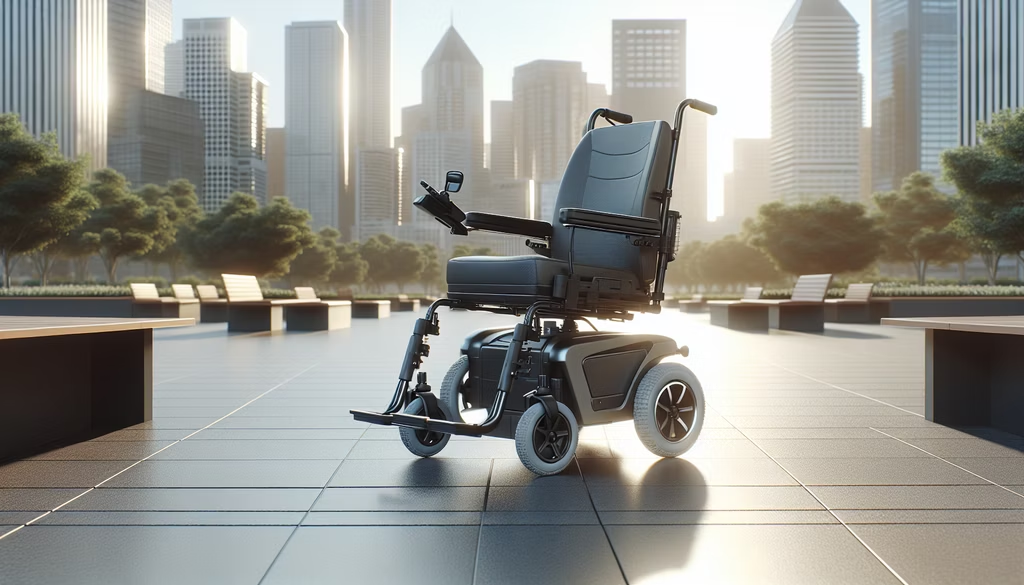
Features That Enhance Comfort and Accessibility
Modern electric mobility devices place strong emphasis on comfort, adaptability, and long-term usability. These features are especially important for individuals who rely on their mobility devices for extended periods each day.
Intelligent Controls
Many ewheelchair models are equipped with programmable controllers that allow customization of speed, responsiveness, and braking sensitivity. These adjustments help users adapt the device to their comfort level and experience, making powered mobility safer and more intuitive.
Ergonomic Seating and Posture Support
Comfort plays a critical role in sustained mobility use. Adjustable seating systems, reclining backrests, and pressure-relief cushions help maintain proper posture and reduce strain. Long-term use of a well-designed ewheelchair can help prevent discomfort, pressure sores, and fatigue.
Terrain Handling and Stability
Malaysia’s infrastructure includes a mix of smooth indoor floors, uneven pavements, ramps, and outdoor surfaces. Advanced suspension systems and reinforced frames allow an ewheelchair to maintain stability across varied terrain, ensuring a smoother and safer ride.
Portable and Foldable Designs
Foldable and lightweight options are increasingly popular, especially among users who travel frequently or rely on private transportation. These designs make transporting an ewheelchair easier while still delivering reliable performance and comfort.
Benefits for Individuals Using Electric Wheelchairs
The advantages of powered mobility extend far beyond basic movement. For many users, an ewheelchair represents a significant improvement in overall quality of life.
Increased Independence
An e-wheelchair enables users to perform everyday activities independently, including commuting, shopping, and attending social gatherings. This autonomy reduces reliance on caregivers and fosters a greater sense of self-confidence.
Improved Physical and Mental Well-Being
By minimizing physical strain, users can conserve energy for meaningful activities rather than exhausting themselves through manual propulsion. Over time, regular use of an ewheelchair can lead to reduced fatigue, improved comfort, and better emotional well-being.
Stronger Social Engagement
Mobility limitations often lead to social isolation. With improved access to public spaces, workplaces, and recreational areas, users are more likely to maintain active social lives. An ewheelchair helps individuals stay connected with family, friends, and the community.
Societal Impact of Electric Mobility Advancements
The growing presence of e-wheelchair users has encouraged broader societal progress in Malaysia.
Public and commercial spaces are increasingly designed with accessibility in mind. Shopping centers, offices, healthcare facilities, and public transport systems are gradually incorporating ramps, elevators, and barrier-free layouts to accommodate electric mobility devices.
Greater workforce participation is another important outcome. By enabling individuals with mobility challenges to pursue education and employment opportunities, powered mobility solutions contribute to economic inclusion and productivity.
Over time, the visibility of electric mobility solutions helps shift public perception. The ewheelchair becomes a symbol of capability and innovation rather than limitation, encouraging a more inclusive and empathetic society.
Innovations Shaping the Future of Ewheelchair Development
Technology continues to drive rapid improvements in powered mobility.
Artificial intelligence has the potential to enhance ewheelchair navigation through features such as obstacle detection, collision avoidance, and smart routing. These innovations could significantly improve safety in crowded urban environments.
Connectivity is another area of growth. Future ewheelchair models may integrate with smartphones or smart home systems, allowing users to monitor battery status, adjust settings, and receive maintenance alerts through dedicated apps.
Material advancements are also playing a role. Lighter yet stronger frame materials improve maneuverability while extending battery efficiency. Each new generation of e-wheelchair technology aims to balance durability with ease of transport.
Battery research remains a key focus, with ongoing efforts to extend operating range, reduce charging time, and improve long-term performance.
Challenges in E-Wheelchair Adoption Across Malaysia
Despite notable progress, several challenges remain.
Cost is a major consideration, as high-quality ewheelchair models can be expensive. While financing options and assistance programs exist, broader affordability remains an important issue.
Infrastructure gaps also limit accessibility in certain areas. Inconsistent pavement quality, limited ramps, and inaccessible public transport can restrict mobility for ewheelchair users.
Maintenance and technical support are equally important. Regular servicing ensures long-term safety and reliability, making access to trained technicians and spare parts essential.
Addressing these challenges will require collaboration between policymakers, manufacturers, healthcare providers, and community organizations.
Conclusion: Moving Forward with Inclusive Mobility
The advancement of e-wheelchair technology represents a meaningful step toward inclusive living in Malaysia. By combining electric power, ergonomic design, and intelligent systems, modern mobility solutions empower individuals to live independently and participate fully in society.
As innovation continues and accessibility improves, the e-wheelchair will remain a key driver in shaping a more inclusive, forward-thinking mobility landscape—one where freedom of movement is accessible to everyone, regardless of physical ability.