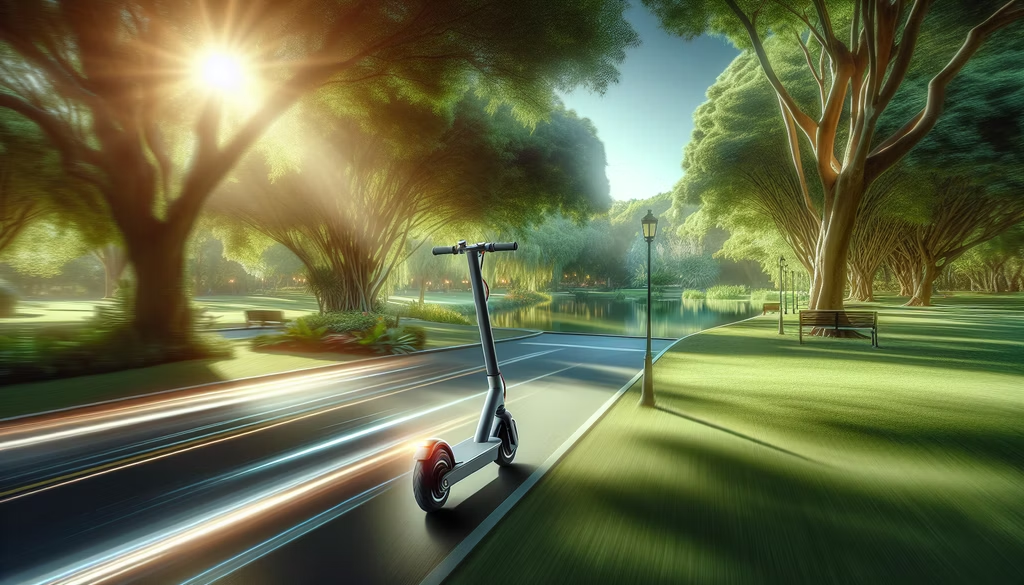
Escooter delivery services are becoming an increasingly important part of Kuala Lumpur’s urban transportation ecosystem. As Malaysia’s capital continues to grow, businesses face mounting pressure to deliver goods faster, more affordably, and with less environmental impact. In response, many companies are turning to electric delivery vehicles as a modern solution suited to dense city environments. Browse electric scooters for options.
Once viewed mainly as a personal commuting option, these battery-powered scooters have evolved into practical tools for last-mile logistics. From food and grocery deliveries to small parcel services, this mode of transport is reshaping how goods move across Kuala Lumpur. This article explores the rise of delivery services using escooters in the city, examining their benefits, challenges, economic impact, and future potential.
Why Delivery on Escooters Is Gaining Popularity in Kuala Lumpur
Traffic congestion is one of Kuala Lumpur’s most persistent challenges. Traditional delivery vehicles often struggle during peak hours, resulting in delays and higher operational costs. A small electric two-wheeler, by contrast, is compact and highly maneuverable, making it ideal for navigating crowded streets and narrow lanes.
The growing demand for fast, on-demand services has further accelerated the adoption of these vehicles. Food delivery platforms, online retailers, and local merchants increasingly rely on riders using battery-powered scooters to meet customer expectations for quick turnaround times. As e-commerce and digital ordering continue to expand, the role of electric delivery options becomes even more significant.
Rising fuel prices and environmental concerns also contribute to this shift. Compared to petrol-powered vehicles, it offers a more economical and eco-friendly alternative for short-distance deliveries.
Key Benefits for Businesses
Faster and More Efficient Urban Deliveries
One of the main advantages of using escooters for delivery is speed in congested areas. Riders can bypass traffic jams, use alternative routes, and reduce time spent searching for parking.
For restaurants and cafés, faster delivery means better food quality upon arrival. Retailers benefit from shorter delivery windows, which can significantly improve customer satisfaction. In high-density areas such as city centers and commercial districts, these vehicles often outperform conventional options.
Reduced Operating Costs
Operating an electric delivery scooter is significantly cheaper than running a fuel-powered motorcycle or van. Electricity costs are low, maintenance requirements are minimal, and there are fewer mechanical components to service.
For small and medium-sized enterprises in Kuala Lumpur, these savings make delivery services more sustainable in the long term. Businesses can deploy multiple units without incurring heavy expenses, allowing them to scale efficiently.
Environmental Advantages
Environmental sustainability is becoming a major consideration for businesses and consumers alike. An escooter produces zero direct emissions and generates less noise than traditional delivery vehicles.
By adopting electric delivery methods, companies actively contribute to reducing air pollution and carbon emissions in Kuala Lumpur. This environmentally responsible approach also enhances brand reputation, especially among eco-conscious customers.

Challenges Facing Delivery Services Using Escooters
Despite its advantages, the growth of escooter delivery in Kuala Lumpur is not without challenges.
Safety Concerns on Urban Roads
Safety remains a key issue for riders. Sharing roads with cars, buses, and motorcycles increases the risk of accidents, particularly in areas without dedicated lanes.
Improving safety requires better rider training, stricter enforcement of helmet use, and increased awareness among motorists. Businesses using these scooters should also prioritize rider safety through clear guidelines and proper equipment.
Infrastructure Limitations
While Kuala Lumpur continues to improve its transport infrastructure, dedicated lanes for battery-powered scooters are still limited. In many areas, riders must navigate roads designed primarily for larger vehicles.
Investment in micromobility infrastructure, such as dedicated lanes and clearer road markings, will be crucial to support the continued expansion of electric delivery vehicles across the city.
Regulatory and Policy Challenges
Regulations governing escooter usage in Malaysia are still evolving. Uncertainty around speed limits, road access, and licensing requirements can create hesitation for businesses and riders.
Clear and consistent policies are essential to ensure safe and responsible adoption. Ongoing collaboration between government authorities, city councils, and industry players will play an important role in shaping a balanced regulatory framework.
Economic Opportunities Created by Delivery Vehicles
Optimising Last-Mile Logistics
Last-mile delivery is often the most expensive part of the logistics chain. Using an electric two-wheeler for short-distance deliveries helps businesses reduce costs while maintaining speed and reliability.
Many companies are now adopting hybrid delivery models, where a battery-powered scooter is used for inner-city routes while larger vehicles handle bulk or long-distance transport. This approach improves efficiency across the entire delivery network.
Supporting Local and Small Businesses
Affordable delivery options allow small retailers, independent restaurants, and home-based businesses to compete with larger companies. An escooter requires a relatively low initial investment, making delivery services accessible to smaller operators.
This accessibility strengthens the local economy and encourages entrepreneurship throughout Kuala Lumpur.
Impact on Riders and the Gig Economy
The rise of delivery services using electric scooters has created new income opportunities for individuals across the city. Flexible working hours and low entry barriers make this form of work appealing to students, freelancers, and part-time workers.
Riders benefit from reduced operating costs and the ability to manage their own schedules. At the same time, businesses gain access to a flexible workforce that can scale according to demand.
As the gig economy continues to grow, delivery scooters are becoming a key source of employment in urban areas.
Technology Enhancing Delivery Efficiency
Technology plays a critical role in improving operations for escooter-based delivery. GPS navigation, real-time tracking, and route optimisation software help riders complete deliveries more efficiently.
Advances in battery technology have also extended the range and durability of modern electric two-wheelers, making them more suitable for daily commercial use. Fleet management systems allow businesses to monitor performance, maintenance needs, and rider behaviour.
These technological improvements continue to strengthen the viability of battery-powered scooters in Kuala Lumpur.
Collaboration and Urban Planning
The long-term success of escooter delivery depends on cooperation between public and private sectors. City planners, transport authorities, and businesses must work together to create a safe and supportive environment for micromobility.
Designated lanes, public education campaigns, and incentive programmes can help accelerate adoption while maintaining safety and order in urban environments.
The Future of Urban Delivery
As consumer demand for fast and sustainable delivery continues to rise, escooter-based services are expected to play an even greater role in Kuala Lumpur’s logistics ecosystem.
Ongoing improvements in infrastructure, technology, and regulation will further enhance efficiency and safety. Over time, electric delivery vehicles are likely to become a standard component of urban delivery operations.
Conclusion: A Smarter and More Sustainable Model
The rise of escooter delivery services in Kuala Lumpur represents a significant shift in urban logistics. By offering faster deliveries, lower operating costs, and reduced environmental impact, these vehicles provide clear benefits for businesses, riders, and the city as a whole.
Although challenges related to safety, infrastructure, and regulation remain, steady progress through innovation and collaboration is paving the way forward. As adoption grows, battery-powered scooters will continue to shape a cleaner, more efficient, and future-ready urban transport system—one delivery at a time.